Candy Corn Fall Math Activity for Kids
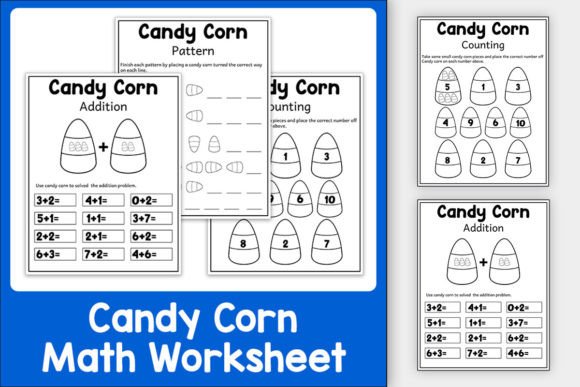
As the leaves change color and the air turns crisp, fall offers a perfect opportunity to blend seasonal fun with educational growth. The Candy Corn Fall Math Activity for Kids is an innovative way to engage young learners in essential math skills while embracing the spirit of Halloween and autumn. Designed specifically for kindergarten and first-grade students, this activity combines the joy of candy corn with fundamental math concepts such as number recognition, counting, addition, shapes, patterns, comparing numbers, estimation, and making 5. This article explores how educators and parents can strategically use this activity to support learning goals, enhance engagement, and create meaningful educational experiences.
The Candy Corn Fall Math Activity for Kids is not just a seasonal treat—it's a well-thought-out tool that aligns with key developmental milestones. By incorporating familiar and appealing elements like candy corn, educators can tap into children’s natural curiosity and excitement about the season. This approach fosters a positive association with learning, making it easier for kids to grasp complex ideas through play.
Strategic Use of Candy Corn Fall Math Activities
When planning educational activities, it's important to consider both the content and the context. The Candy Corn Fall Math Activity for Kids provides a unique opportunity to integrate seasonal themes with core math skills. Educators can strategically use this resource to reinforce classroom lessons, provide hands-on learning experiences, or offer a fun alternative to traditional math drills. The activity supports multiple learning objectives, including:
- Number Recognition: Using candy corn pieces to label numbers helps children visually associate symbols with quantities.
- Counting: Sorting and grouping candy corn by color or size encourages one-to-one correspondence and basic counting skills.
- Addition: Simple addition games using candy corn allow students to practice combining groups of objects and understanding the concept of sums.
- Shapes and Patterns: Identifying and creating patterns with candy corn introduces geometric shapes and sequencing.
- Comparing Numbers: Comparing groups of candy corn teaches children to recognize which group has more or less.
- Estimation: Guessing how many candy corns are in a jar or on a plate develops early estimation skills.
- Making 5: Exploring different combinations of numbers that add up to 5 strengthens foundational arithmetic skills.
By thoughtfully integrating these activities into lesson plans, educators can ensure that each session is purposeful and aligned with curriculum standards. Additionally, the use of candy corn as a manipulative makes abstract concepts more tangible and relatable for young learners.
Planning and Implementation Tips
To maximize the effectiveness of the Candy Corn Fall Math Activity for Kids, it's important to plan ahead and consider practical implementation strategies. Here are some tips to help educators get the most out of this resource:
- Set Clear Objectives: Before beginning the activity, define what specific math skill you want to focus on. This ensures that the activity is targeted and effective.
- Prepare Materials: Gather enough candy corn for each student and ensure that all necessary worksheets or templates are printed and ready to use.
- Create a Welcoming Environment: Set up a comfortable and inviting space where children feel encouraged to explore and learn. Consider playing soft background music or displaying fall-themed decorations to enhance the atmosphere.
- Incorporate Group Work: Encourage collaboration by having students work in pairs or small groups. This promotes social interaction and allows for peer learning.
- Use Visual Aids: Display posters or charts that show number sequences, shapes, and patterns to reinforce the concepts being taught.
- Assess Progress: After completing the activity, take time to review what was learned. Ask open-ended questions to assess understanding and identify areas that may need further reinforcement.
These planning steps ensure that the activity is not only engaging but also educational and aligned with learning goals. Thoughtful preparation enhances the overall experience and helps students achieve better results.
Enhancing Engagement Through Creativity
One of the greatest advantages of the Candy Corn Fall Math Activity for Kids is its ability to spark creativity and imagination. Educators can go beyond the basic activities by incorporating creative extensions, such as:
- Art Integration: Have students create their own candy corn patterns or designs using colored paper or markers. This reinforces pattern recognition while allowing for artistic expression.
- Storytelling: Use candy corn as props in storytelling sessions. For example, create a story about a pumpkin patch where each character has a certain number of candy corns.
- Math Games: Introduce simple games like "Candy Corn Bingo" or "Candy Corn Memory Match" to make learning more interactive and enjoyable.
- Real-World Connections: Discuss how math is used in everyday life, such as when shopping for candy or dividing treats among friends.
These creative extensions not only deepen understanding but also help students see the relevance of math in real-life situations. They also provide opportunities for cross-curricular learning, supporting literacy, art, and social studies in addition to mathematics.
Considerations for Effective Use
While the Candy Corn Fall Math Activity for Kids is a valuable resource, it's important to use it intentionally rather than randomly. Here are some considerations to keep in mind:
- Align with Curriculum Goals: Ensure that the activity supports the current curriculum and learning objectives. If the class is focusing on addition, for example, choose activities that emphasize that skill.
- Adapt for Different Learning Styles: Some students may benefit from visual aids, while others may prefer hands-on manipulation. Offer a variety of activities to accommodate diverse learning preferences.
- Monitor Participation: Keep track of which students are actively engaged and which may need additional support or encouragement.
- Be Mindful of Allergies: Since the activity involves candy corn, be aware of any food allergies among students and have alternatives available if necessary.
- Encourage Reflection: After completing the activity, ask students to reflect on what they learned and how they felt about the experience. This helps reinforce the learning and builds metacognitive skills.
By considering these factors, educators can ensure that the Candy Corn Fall Math Activity for Kids is used effectively and safely. This thoughtful approach maximizes the benefits of the activity while minimizing potential risks.
Long-Term Value and Educational Impact
The Candy Corn Fall Math Activity for Kids offers more than just a fun way to teach math—it also contributes to long-term educational development. By making math relevant and enjoyable, educators can help students build a strong foundation in mathematics that will serve them throughout their academic careers. Additionally, the activity promotes critical thinking, problem-solving, and creativity, all of which are essential skills for success in the 21st century.
For parents and educators looking to enhance their teaching strategies, the Candy Corn Fall Math Activity for Kids is a valuable addition to any lesson plan. Its versatility, educational value, and seasonal appeal make it an excellent choice for fostering a love of learning in young children.
Whether used as a supplement to classroom instruction or as a standalone activity, the Candy Corn Fall Math Activity for Kids is a strategic tool that supports learning goals, engages students, and creates memorable educational experiences. With careful planning and intentional use, this activity can help students develop essential math skills while enjoying the spirit of fall and Halloween.